
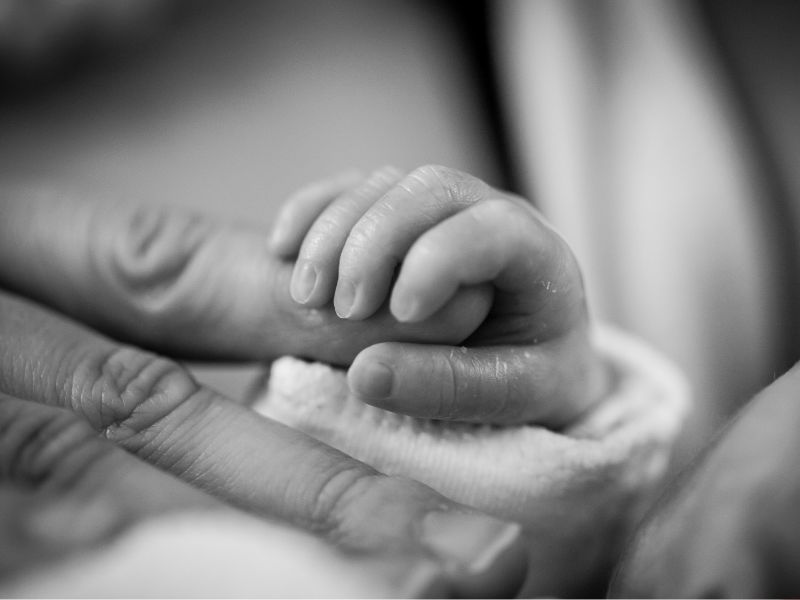
More moms are choosing birth centers because they want a natural, personalized experience that trusts the body’s process without unnecessary interventions. Unlike hospitals, birth centers let you move freely, eat, and choose your support team. Research shows that for low-risk pregnancies, outcomes are comparable to hospitals, but with considerably lower cesarean rates. It’s a philosophy shift from managing birth to supporting it — and there’s much more to explore about making the right choice for you.
What Is a Birth Center and How Does It Work?
A birth center is a homelike, non-hospital facility designed to support low-risk pregnancies and natural childbirth in a comfortable, family-centered environment. Today, accredited centers operate under rigorous birth center guidelines set by organizations like the American Association of Birth Centers, ensuring safety without sacrificing autonomy.
We’re talking about spaces staffed primarily by certified nurse-midwives who monitor labor, manage complications, and facilitate transfers when necessary. Places like Labors of Love Birth Center in South Carolina exemplify this model — offering birthing tubs, private rooms, and full family access, all intentionally designed around the birthing family. These centers embrace a whole-person philosophy, treating birth as a physiological event rather than a medical condition requiring intervention.
Birth Center and Hospital: What’s Actually Different?
Now that we recognize what birth centers are, let’s look at how they actually compare to hospitals — because the differences go deeper than décor.
Hospitals prioritize risk management, which means interventions like continuous fetal monitoring, IV lines, and time-restricted labor protocols become standard practice — even for low-risk pregnancies. Birth centers operate differently. They center maternal choices, allowing laboring women to move freely, eat, choose their support team, and progress without arbitrary timelines.
Research confirms that for low-risk pregnancies, birth center outcomes match hospital outcomes for safety — while considerably reducing cesarean rates and unnecessary interventions. The birth experience itself becomes more intentional, less procedural.
The core distinction isn’t just comfort — it’s philosophy. Hospitals manage birth. Birth centers support it.
Is a Birth Center Right for You?
Choosing where to give birth is one of the most personal decisions you’ll make — and birth centers aren’t the right fit for everyone, nor should they be. The best choice honors your personal preferences, your health history, and the kind of emotional support you need during labor.
Birth centers are well-suited for low-risk pregnancies where you want minimal intervention, a familiar environment, and continuous midwifery care. If you have a high-risk condition — preeclampsia, placenta previa, or a prior cesarean — a hospital setting offers resources birth centers simply can’t match.
Ask yourself: Do you trust your body’s process? Do you want freedom of movement and personalized care? If yes, a birth center may be exactly what you’re looking for.
What Birth Centers Actually Offer: Staffing, Environment, and Care Model
Everything about a birth center is designed with intention — from who’s in the room to how the room itself feels. Staffing models typically center midwives as primary care providers, offering continuity you rarely find in hospital settings. That consistency deepens trust and shapes birth experiences that feel genuinely supported rather than managed.
The environment itself matters. Dimmed lighting, tubs for hydrotherapy, freedom of movement — these aren’t luxuries, they’re evidence-informed pain management tools. Centers that prioritize this kind of thoughtful design, like Labors of Love Birth Center in South Carolina, demonstrate how intentional spaces can meaningfully shape the birthing experience. Personalized care means your preferences drive decisions, not institutional protocols.
Holistic support extends beyond the birthing person. Family involvement is actively welcomed, not tolerated. Partners, doulas, and chosen support people participate fully. You’re not traversing a medical system — you’re moving through a carefully held space designed to honor the whole of you.
Frequently Asked Questions
How Much Does Giving Birth at a Birth Center Typically Cost?
We recommend examining your insurance coverage carefully, as cost factors like prenatal care, delivery, and postpartum support are often bundled, making it more affordable than you’d expect.
Can I Tour a Birth Center Before Deciding Where to Give Birth?
Like opening a door to your birth journey, we encourage you to tour! Exploring birth center benefits firsthand and discussing prenatal care options helps us make confident, informed decisions about where we’ll welcome our baby.
What Should I Pack When Preparing for a Birth Center Delivery?
When packing essentials for your birth center delivery, we’d recommend comfort items, nourishing snacks, postpartum clothing, and labor support tools like a birth ball, essential oils, and a curated playlist to enhance your holistic birthing experience.
How Do Birth Center Births Affect Postpartum Recovery Time for Mothers?
Studies show 85% of birth center moms report faster recovery. We’re finding that personalized postpartum support and immediate emotional bonding with your baby accelerate healing, helping you feel stronger, more confident, and deeply connected sooner.
Are Water Births Commonly Available at Most Accredited Birth Centers?
Yes, most accredited facilities offer water births. We’re seeing strong evidence supporting water birth benefits, including reduced pain and faster dilation. Always confirm availability when touring your chosen birth center beforehand.
Conclusion
Choosing where to give birth is one of the most personal decisions you’ll ever make. Birth centers aren’t a radical idea — even Florence Nightingale understood that environment shapes healing. Whether you’re drawn to the midwifery model, the home-like setting, or simply more control over your experience, what matters most is that you’re informed. From well-established practices seen at centers like Labors of Love Birth Center in South Carolina to growing options nationwide, the birth center movement continues to show that safety and personalization are not mutually exclusive. We’re here to help you weigh every option with confidence, compassion, and the evidence you deserve.


